 by
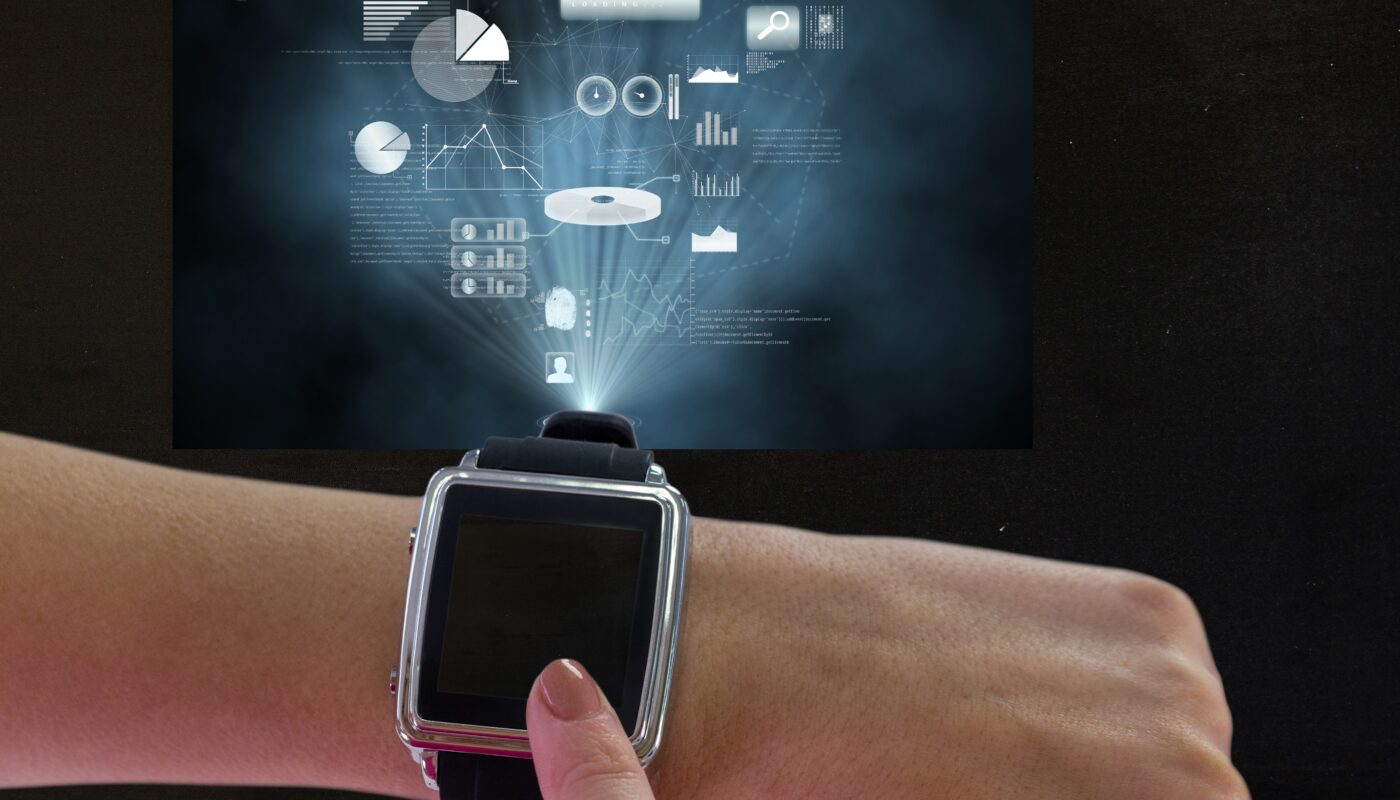
by For years, we’ve seen smartwatches as glorified fitness trackers. They count our steps, monitor our heart rate, and track our sleep. But a quiet revolution is underway, transforming these wrist-worn gadgets from simple data collectors into powerful, intelligent assistants. The driving force behind this change? Artificial Intelligence (AI).
The integration of AI in smartwatches is pushing the boundaries of what’s possible, making them indispensable tools for health, safety, and productivity. Let’s explore how AI is giving our smartwatches a brain.
The Smartwatch Evolution: More Than Just a Gadget
Initially, smartwatches were extensions of our smartphones, delivering notifications to our wrists. Then, they evolved into health-focused devices. But today, thanks to advanced sensors and powerful AI algorithms, they are becoming proactive partners in our daily lives. The global wearable technology market is booming, not just because of hardware, but because of the intelligence that AI brings to the table.
How AI is Supercharging Smartwatch Capabilities
Artificial intelligence isn’t just one feature; it’s a layer of intelligence that enhances every function of a smartwatch. Here’s how it’s making a difference.
1. Your Personalized Health & Fitness Coach
Old smartwatches could tell you your heart rate. An AI-powered smartwatch can analyze that data to predict potential health issues.
- Proactive Health Alerts: AI algorithms can analyze ECG and blood oxygen data to detect irregularities like atrial fibrillation or sleep apnea, alerting you to consult a doctor.
- Personalized Workouts: Instead of generic fitness goals, AI analyzes your performance, recovery rate, and sleep patterns to suggest customized workouts that are both effective and safe.
2. A Guardian Angel for Workplace Safety
As highlighted by innovations in IoT, smartwatches are becoming crucial for workplace safety, especially in high-risk industries like construction.
- Real-time Vitals Monitoring: AI can monitor a worker’s vitals and detect signs of heatstroke or fatigue, sending an alert to the supervisor.
- Automatic Fall Detection: A feature perfected by AI, modern smartwatches can automatically detect a hard fall and, if the user is unresponsive, can even call emergency services. This feature is a lifesaver for lone workers and the elderly. You can learn more about how it works on the official Apple Watch Support page.
3. The Ultimate Productivity Tool
AI is turning smartwatches into powerful time management and productivity tools, much like AI enhances modern time-tracking software.
- Intelligent Reminders: AI learns your routine and prompts you to prepare for your next meeting, take a break to stretch, or focus on a high-priority task.
- Automated Task Logging: By analyzing your location, calendar, and body movements, some smartwatches can automatically log how much time you spend on specific projects or tasks, simplifying timesheets and improving efficiency.
The Future of AI in Smartwatches
The integration of AI in smartwatches is just beginning. With the rise of generative AI, we can expect even more incredible features. Imagine a smartwatch that doesn’t just display data but has a conversational AI you can talk to, like a mini-ChatGPT on your wrist. It could summarize your health report for the week, suggest recipes based on your fitness goals, or even draft an email reply for you.
From a simple step counter to a proactive health guardian and a productivity powerhouse, the smartwatch has come a long way. Thanks to AI, the future of truly personal computing is no longer in our pocket—it’s on our wrist.
