 by
by From the smartwatch on your wrist to the smart thermostat in your home, our world is becoming increasingly connected. But these gadgets are just the tip of the iceberg. Beneath the surface lies a massive technological revolution known as the Internet of Things (IoT). This isn’t just about convenience; it’s a fundamental shift that is reshaping entire industries, building smarter cities, and creating a more efficient and data-driven future.
So, what exactly is the Internet of Things (IoT)? In this ultimate guide, we will break down this complex topic into simple terms, explore how it works, dive into its game-changing applications, and look at the challenges and future trends that lie ahead.
What is the Internet of Things (IoT) in Simple Terms?
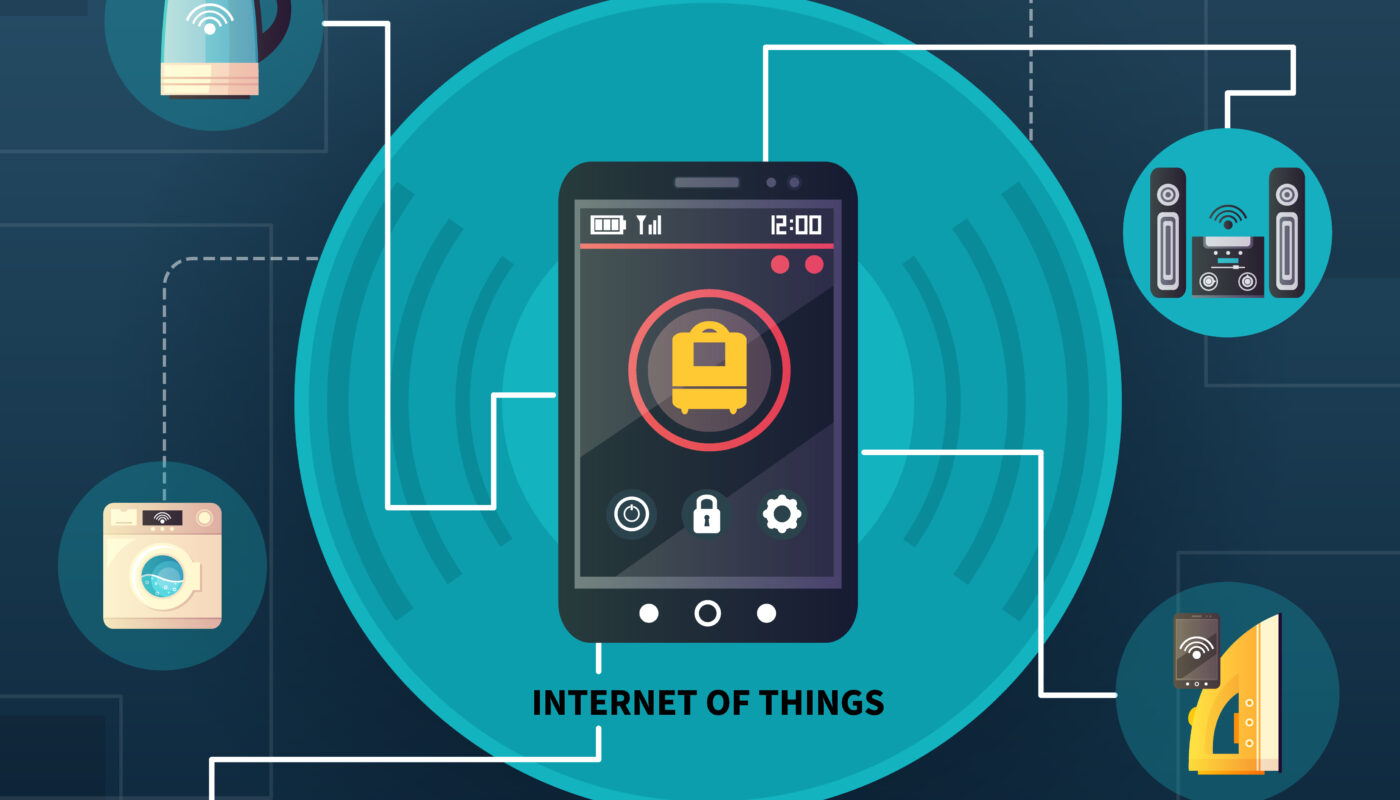
At its core, the Internet of Things (IoT) refers to the vast network of physical objects—”things”—that are embedded with sensors, software, and other technologies for the purpose of connecting and exchanging data with other devices and systems over the internet.
Think of it this way: for decades, the internet was a network for people. IoT gives a voice and a digital nervous system to the physical world around us. A simple car becomes a “smart car” that can report its location and engine health. A farm field becomes a “smart farm” that can tell you exactly when it needs water.
How Does an IoT Ecosystem Work? The Four Key Components
An IoT system doesn’t just happen; it’s a carefully orchestrated ecosystem of four distinct components working together. As explained in detailed knowledge bases like the one from Cleo, this process is universal.
1. Sensors and Devices
This is the “thing” part of IoT. These are the physical devices that collect data from their environment. This could be a temperature sensor in a factory, a motion sensor in a security system, or a GPS tracker in a delivery truck. They are the senses of the digital world.
2. Connectivity
Once data is collected, it needs to be sent to the cloud. This is where connectivity comes in. Devices connect using a variety of methods, including:
- Wi-Fi and Bluetooth for short-range communication.
- Cellular networks (4G/5G) for long-range communication.
- Specialized IoT networks like LoRaWAN for low-power, wide-area coverage.
3. Data Processing (The Cloud)
After the data reaches the cloud, software processes it. This can be as simple as checking if a temperature reading is within an acceptable range, or as complex as using Artificial Intelligence (AI) to analyze video footage from a security camera to identify potential threats.
4. User Interface
Finally, the processed information is made useful to the end-user. This could be an alert on your phone, an email notification, a dashboard showing factory production trends, or even an automated action, like a smart thermostat adjusting the temperature without any human intervention.
The Real-World Impact of the Internet of Things (IoT)
The true power of IoT is visible in its practical applications, which are already transforming our lives and industries. Companies at the forefront of IoT technology, like Digi International, are pioneering solutions in these key areas.
Industrial IoT (IIoT) and Smart Manufacturing
In factories, IIoT sensors are used for predictive maintenance, allowing machines to signal when they need repairs before they break down. This minimizes downtime and saves millions in costs. Supply chain management is also optimized with IoT trackers that provide real-time location and condition monitoring of goods.
Smart Cities
IoT is the backbone of smart cities. It powers:
- Smart Traffic Management: Sensors at intersections analyze traffic flow and adjust signal timing to reduce congestion.
- Smart Lighting: Streetlights that dim or brighten based on real-time activity, saving enormous amounts of energy.
- Waste Management: Smart bins that notify sanitation departments when they are full, optimizing collection routes.
Healthcare (IoMT – The Internet of Medical Things)
From wearable fitness trackers to remote patient monitoring devices, the Internet of Medical Things is revolutionizing healthcare. Doctors can monitor patients with chronic conditions from afar, and smart devices can automatically alert emergency services in case of a fall or other medical event.
Challenges and the Future of IoT
Despite its immense potential, the path for the Internet of Things (IoT) is not without challenges. Security remains the number one concern, as every new connected device is a potential entry point for cyberattacks. Data privacy and the complexity of integrating thousands of devices are also significant hurdles.
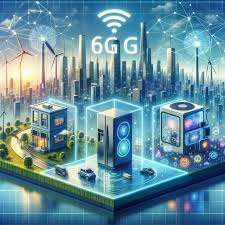
Looking ahead, the future of IoT will be driven by its convergence with other technologies like 5G/6G and Artificial Intelligence. Faster networks will allow for more devices to communicate in real-time, while AI will be the brain that turns all that data into intelligent, automated actions. To stay on top of these rapid developments, it’s worth following top IoT blogs and news sources.
Conclusion: The Connected Future is Now
The Internet of Things (IoT) is more than just a buzzword; it’s a fundamental technological shift that is making our world more efficient, responsive, and intelligent. From the factory floor to the hospital room, connected devices are generating a wave of data that is unlocking new possibilities and solving old problems. While challenges remain, the connected future is already here, and it’s growing bigger every second.